
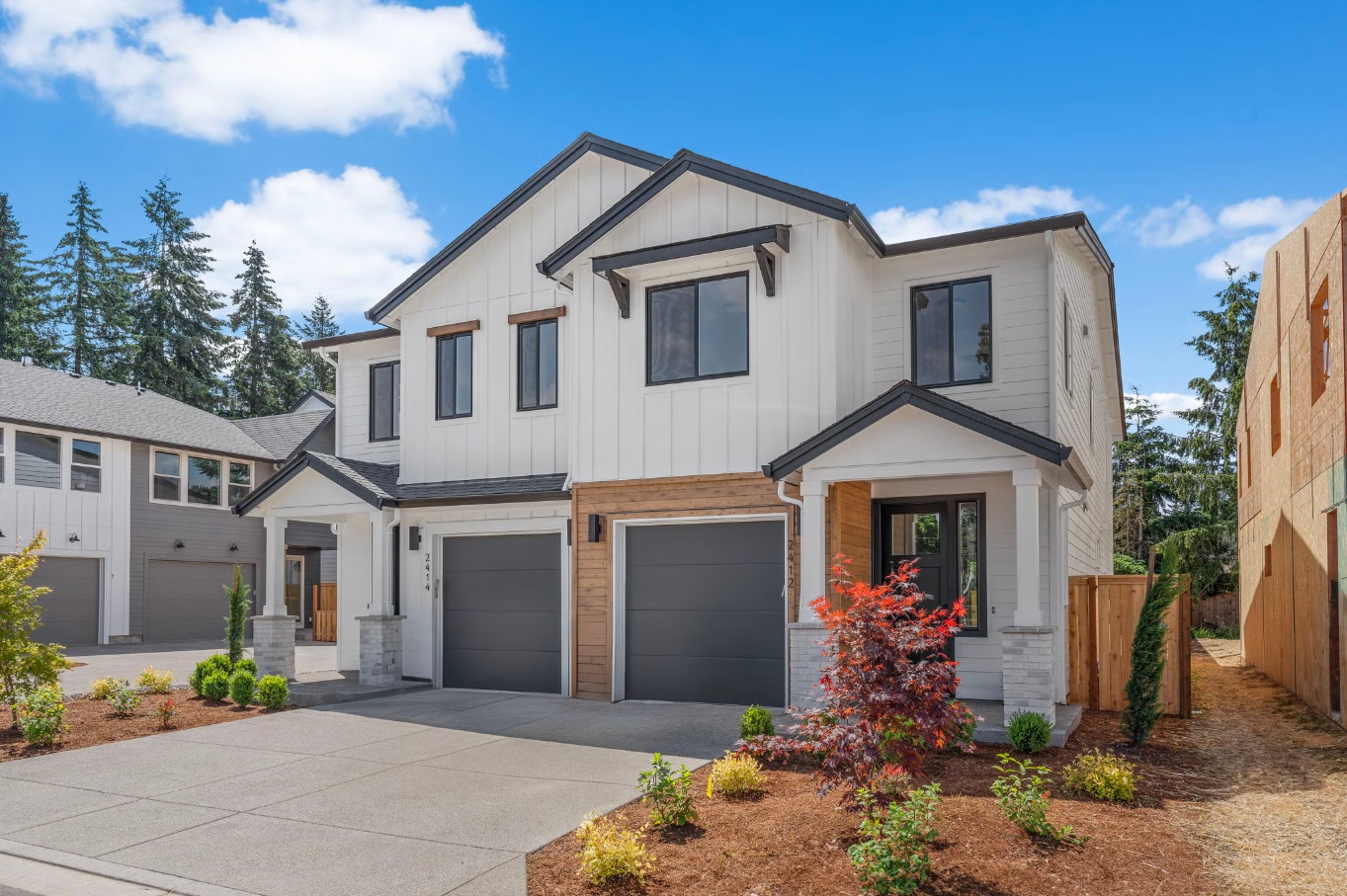
If you’re house hunting in the Portland metro area this winter, shopping new may be more appealing than usual. Homebuilders are dangling incentives to attract buyers, and financing offers are especially aggressive. For many buyers, this could be the sweet spot.
What Builders Are Offering Right Now
Holt Homes – Starting at $375k
- Holt is currently advertising an introductory rate as low as 2.75% for the first year under a 2/1 buydown structure.
- They also offer standard 30-year fixed financing — e.g. their promo has shown 30-year fixed FHA at 4.625%.
- Their Portland-metro communities include Beaverton, Happy Valley, Cornelius, Hillsboro, Sherwood, and other suburbs.
- Many homes are “move-in ready” (i.e. already built and quickly available) — from more modest 3-bed/2-bath houses to larger 4-bed homes.
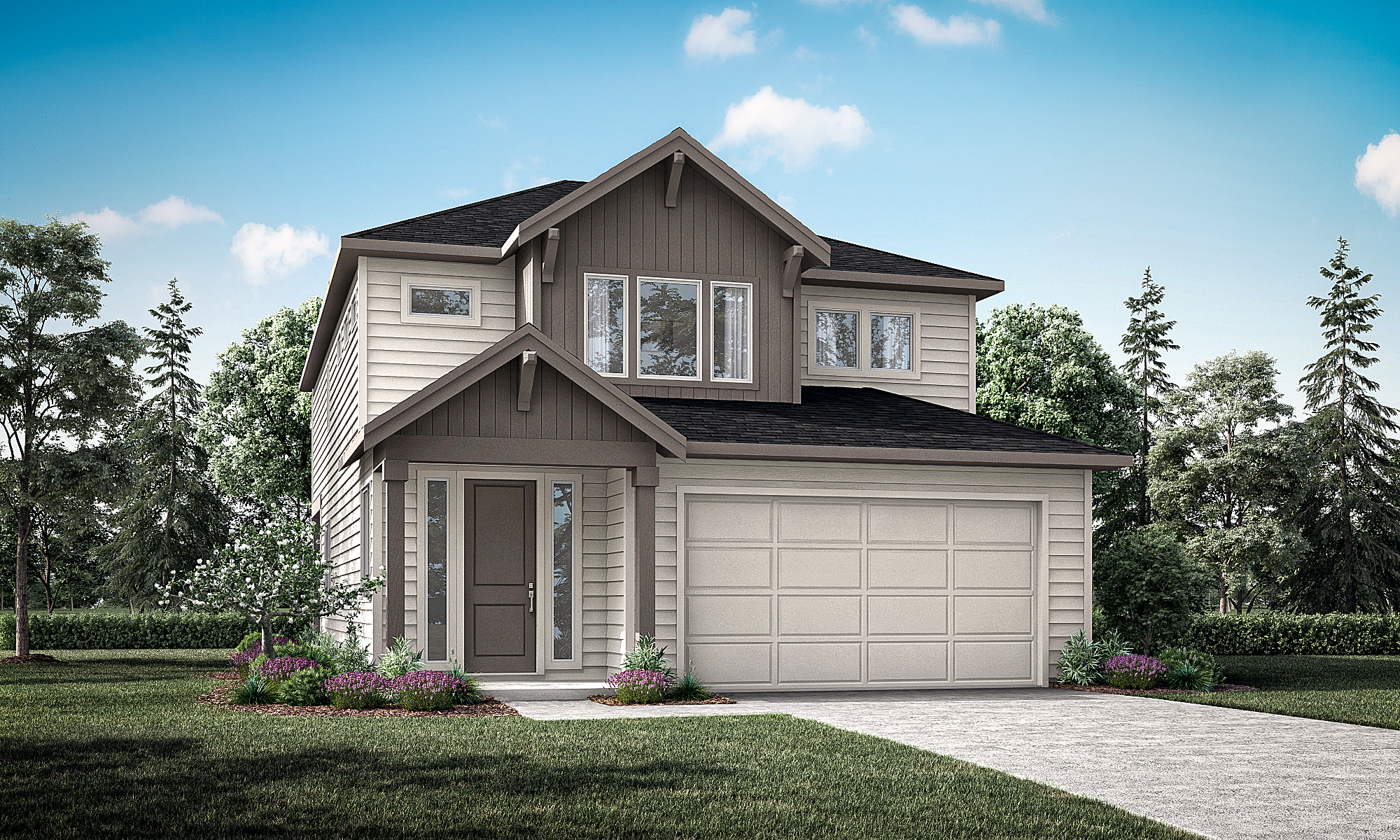
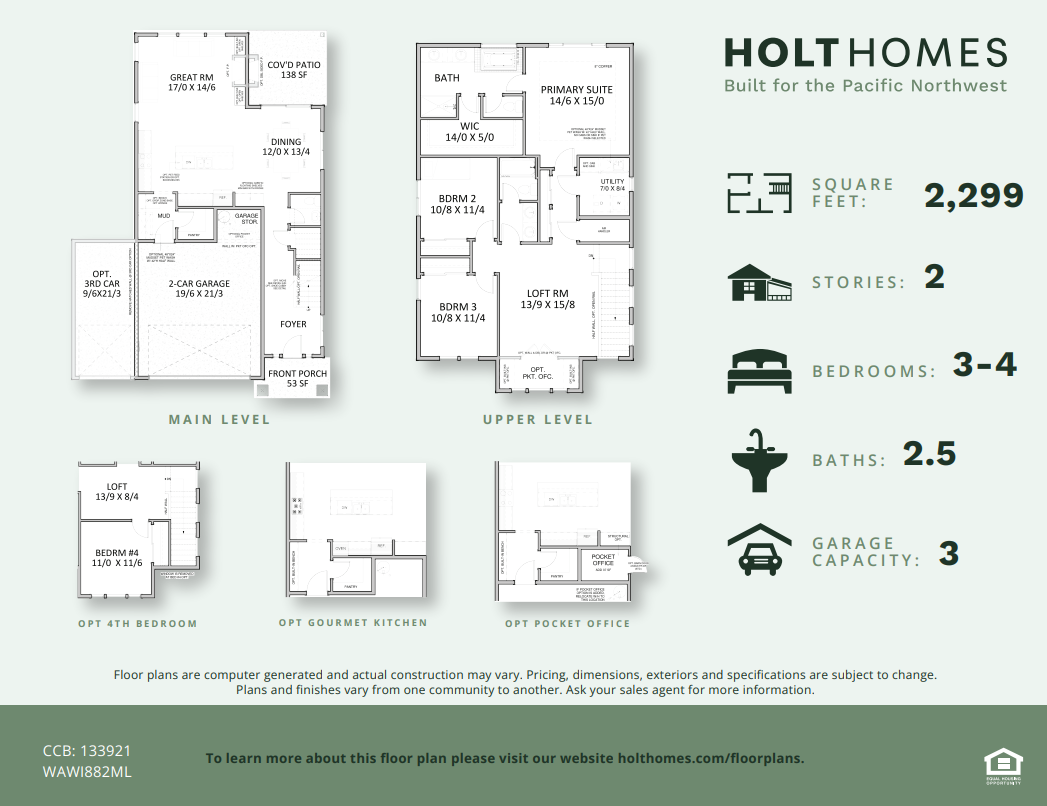
Sample Listing in Beaverton for $700k
Lennar – Starting at $330k
- Their “limited-time promotions” page recently featured discounted or special financing on select homes — for example, a 7/6 ARM rate of 4.25% (with particular APR and financial terms) on specific properties.
- Their developments are in places like Tigard, Tualatin, Hillsboro, Beaverton, convenient if you’re looking for Portland-area suburbs. They also have a large community in Woodburn.
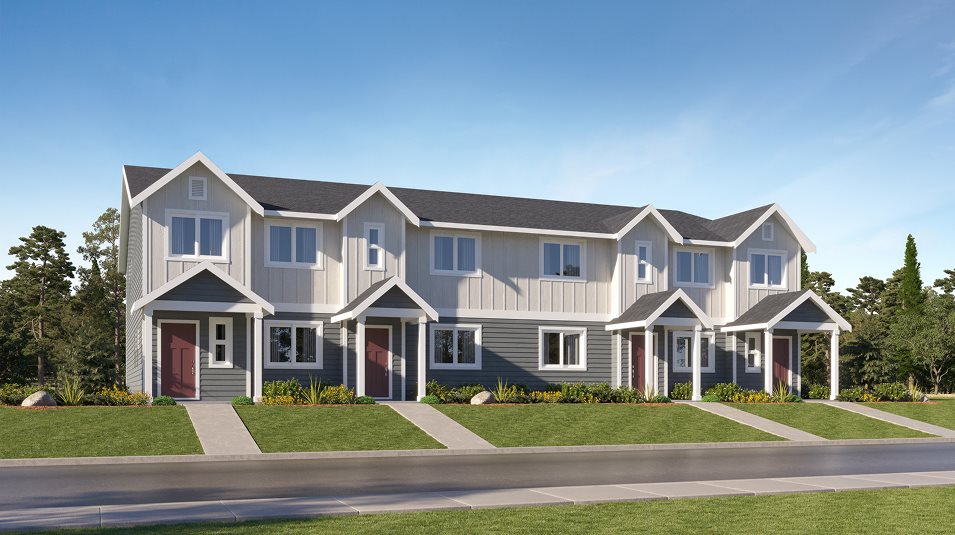
Sample Listing in Woodburn for $330k
Other Builders & General Discounts
- According to a roundup of Portland-area new-home communities, multiple builders are offering “hot deals” — everything from price reductions to incentives or discounts on select properties.
- Deals tend to show up across many neighborhoods: from central Portland suburbs to outlying towns.
Bottom line: builders here seem motivated to sweeten the deal before the end of the year. If you can act quickly, before the inventory and incentives disappear, you might lock in both a good price and favorable financing.
The Upsides of New Construction
Buying a newly built home offers several compelling advantages:
- Everything’s brand new — you don’t have to deal with lingering smells from pets, old cooking odors, smoky curtains, or any of the quirks and smells that sometimes come with lived-in houses.
- New appliances, systems, and infrastructure — new appliances, plumbing, HVAC, electrical wiring, roofing, etc., mean you’re much less likely to face breakdowns or repairs soon after moving in.
- Customization & design-for-you — depending on how complete the home is when you select it, many new construction homes allow buyers to choose finishes like paint colors, flooring, cabinetry, countertops, carpet vs. hardwood, etc. This lets you tailor the home to your style before you even move in.
- Modern layout and energy‐efficiency — newer builds often follow modern floor plans (open concept, efficient use of space), and may incorporate more efficient windows, insulation, appliances, and building methods.
When builders also offer financial incentives (discounts, low financing rates, closing-cost help), buying new becomes even more attractive, especially if you care about minimizing future maintenance and want a “fresh start.”
The Trade-Offs: What You Lose (or Risk) with New Construction
New builds aren’t perfect, and there are trade-offs, especially when you compare to older, resale homes:
- Lot size and community density: To maximize profits, many new-home communities pack as many units as possible into a piece of land. That often means smaller yards, closer neighbors, and less outdoor/privacy space than a typical resale home on a larger lot.
- “Builder-grade” everything: Unless you pay extra for upgrades, new homes often come with standard/basic finishes; cabinetry, flooring, fixtures, which tend to be utilitarian and generic. Over time, a resale home might’ve seen custom upgrades, refinished hardwood floors, better cabinetry, or added details that give charm and character. With a new build, you may end up with what some call “cookie-cutter” style.
- Community “cookie-cutter” feel: Because many new communities are built with a handful of floor plans repeated often, neighborhoods can feel homogeneous. Some buyers value uniqueness, mature landscaping, mature trees, and a sense of established community, things that take time to develop.
- Potential for construction-related wrinkles: Even though everything is new, sometimes quality control issues (settling, incomplete finishing, minor defects) emerge after move-in, especially in mass-built developments. If you’re not vigilant, some problems may show up only after warranty windows close.
Why You Must Still Get a Home Inspection!
Many buyers assume that new homes are “perfect,” or that builder warranties mean you don’t need inspections. That’s a dangerous assumption. Here’s why you still want a neutral, 3rd-party home inspection before you sign off on closing:
- You can’t make warranty claims if you don’t know there’s a problem. A warranty is only useful if you identify issues; cracking, improper installation, settling, leaks, faulty wiring, poor drainage, etc. If you skip inspection and just trust everything’s fine, problems may wait until after the warranty period expires.
- Inspectors see things buyers and agents often miss. Even when everything looks good superficially, inspectors can spot things like poor sealing, inadequate ventilation, improper grading/drainage, framing issues, code-compliance mistakes, or potential structural problems.
- A home warranty isn’t a substitute for quality. Think of the warranty as a safety net, it’s useful for cosmetic fixes or minor issues, but not an excuse to skip due diligence. The best approach: have an inspection, document everything, and address problems up front or during the warranty period.
- It’s even more important given the accelerated pace of many builds. Builders racing to meet deadlines may cut corners, or aspects of the build may degrade in quality, something you won’t notice until months later.
So yes, even for a brand-new home, insist on a professional home inspection. It’s one of the most important steps you can take to protect your investment.
Why Now Is a Smart Time to Consider New Construction in the Portland Metro
- With builders like Holt Homes and Lennar actively offering low intro rates and promotional financing, the upfront cost of a new home may be more favorable than during a “normal” market cycle.
- For buyers who want minimal maintenance, new appliances, and a clean slate, especially those coming from rentals, older homes, or first-time buyers a new home offers convenience and peace of mind.
- As the pace of sales slows near the end of the year (holiday season, winter weather, fewer buyers), builders may be more willing to negotiate on price, upgrades, closing costs, or financing to secure deals before the new year.
If you’re actively shopping around or thinking of buying soon, this could be a very opportune moment.
A Few Quick Tips for Buyers
- Compare financing offers carefully. Don’t just look at “intro rates” examine what happens after the first year (or after any buydown or temporary period ends). Estimate what your payments will be long-term.
- Request upgrade and finish-selection deadlines early. If you want non-standard finishes (better cabinetry, nicer flooring, upgraded fixtures), make sure you know when you must choose those options.
- Hire an independent home inspector even if using a builder’s “warranty.” Do it before closing. Document issues and keep good records.
- Factor in the lot and community layout. Smaller lots often mean less private outdoor space, tighter neighbor proximity, and less mature landscaping. If outdoor space and privacy matter to you, read the lot map carefully.
- Weigh long-term value vs. short-term incentive. A good deal now is great, but think about how easy (or hard) it will be to sell or re-rent the home later. Builder-grade finishes might affect resale value compared to a resale home with custom details. If there are optional upgrades, like an additional bedroom, bathroom, or bonus area, I would highly recommend opting for it to give your home a unique distinctive point of difference.
- Bring Your Agent aka ME! Even when just checking out a community to see if you like the area, bring your agent along with you. Builders typically offer compensation towards buyer agent representation, but not if you go to a community alone.