The Portland housing market in 2026 isn’t moving in one single direction. Some areas have clearly shifted toward buyers, while a few pockets still have enough demand that sellers can feel pretty good about things.
What we’re seeing right now is a market that varies depending on where you are in the metro. Inventory levels, local demand, and price ranges all play a role in how much negotiating power buyers or sellers have in a given neighborhood.
Across the Portland metro, the average sale price is sitting around $590,000 and the median is about $525,000, with homes taking roughly 90 days to sell.
That longer timeline gives buyers room to slow down, evaluate options, and negotiate in ways that they haven’t been able to in quite a while.
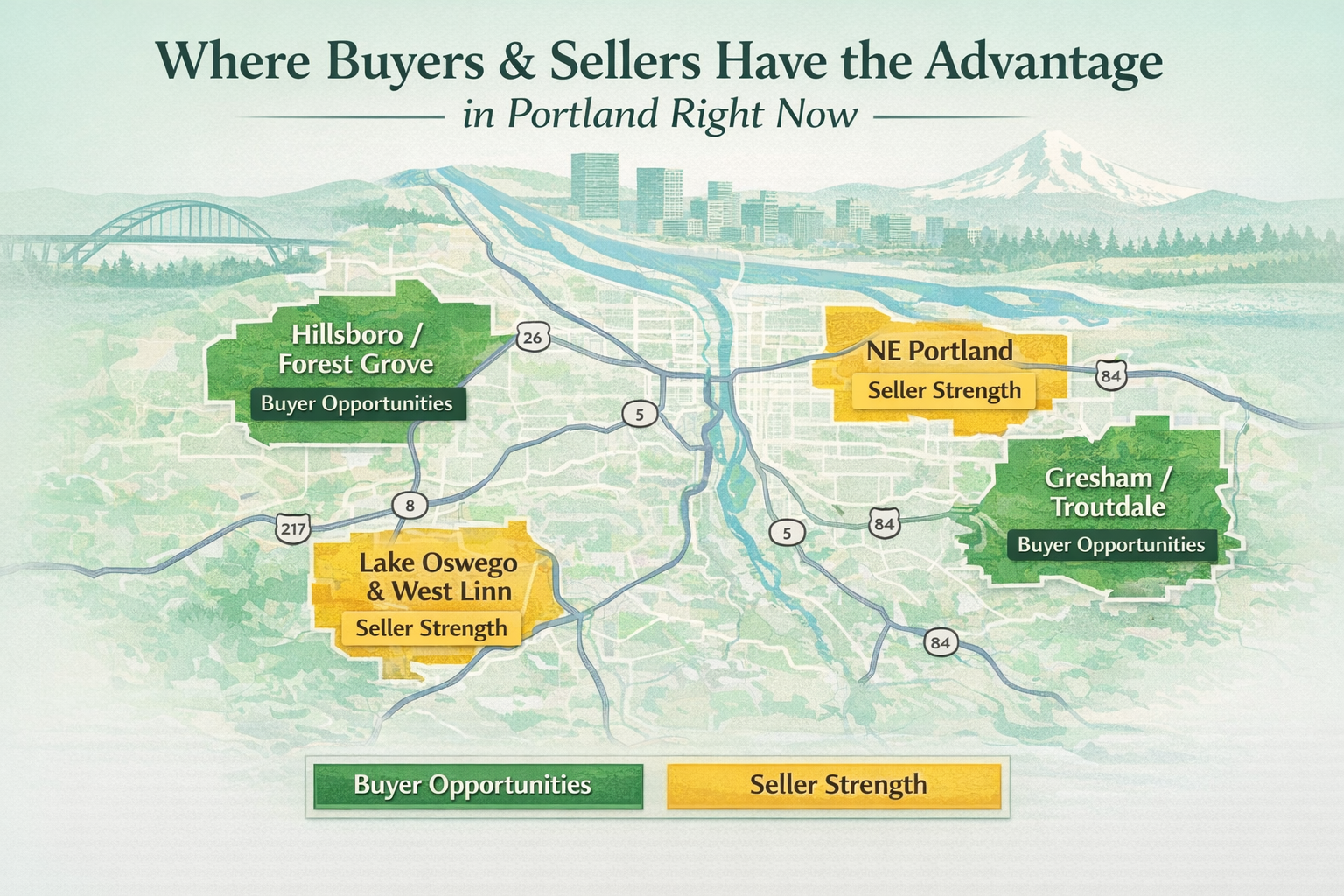
Looking at the numbers from the latest area report and the trends over the past year, a few places stand out. Here are some areas buyers should seriously consider right now, and a couple areas where sellers are still holding onto some leverage.
Two Areas Buyers Should Be Looking At Right Now
Gresham / Troutdale
If you’re a buyer looking for leverage, Gresham and Troutdale are quietly one of the more interesting opportunities in the metro right now.
Pending sales in this area have jumped nearly 46% compared to last year, which signals that buyer activity is picking up. At the same time, prices have remained relatively stable with the average sale price around $495,000.
That combination can create a sweet spot where buyers still have negotiating room while demand is starting to strengthen.
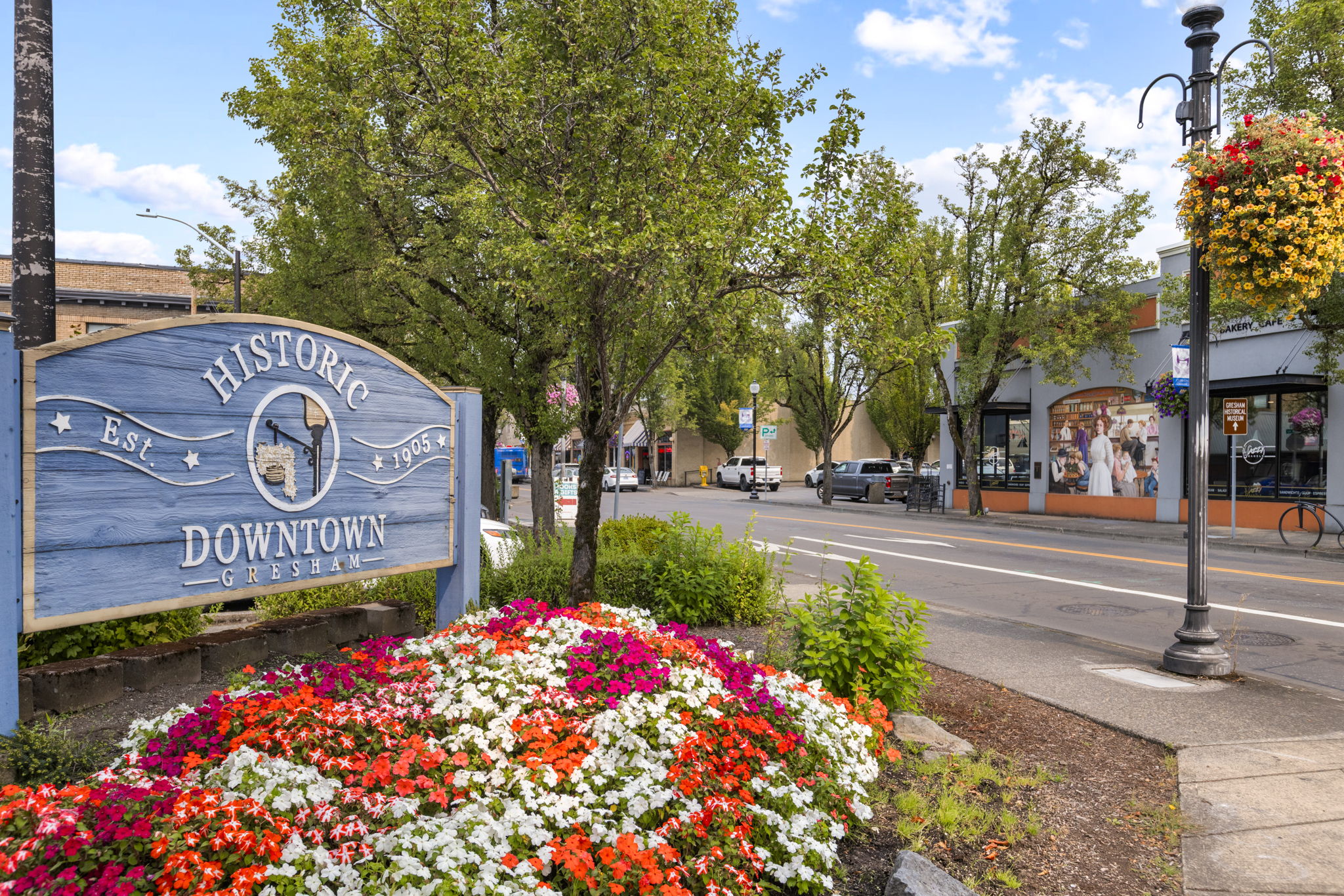
Part of the appeal of this area is its proximity to some of the best outdoor recreation in the region. Living in Gresham or Troutdale puts you within minutes of the Columbia River Gorge, which means hiking, waterfalls, scenic drives, and river access are part of everyday life. Troutdale also has a historic downtown area with local restaurants and shops, while many neighborhoods offer larger lots and quieter residential streets than you’ll typically find closer to the city center. For buyers who want more space without completely leaving the metro area, this part of the east side delivers strong value.
Hillsboro / Forest Grove
Another area worth paying attention to is Hillsboro and Forest Grove.
Pending sales have increased by roughly 9.5 percent recently, showing that buyer demand continues to grow. Yet the average sale price has remained relatively steady around $563,000.
When demand rises while prices stay fairly stable, it often signals a healthy long-term market that buyers can still enter without facing extreme competition.
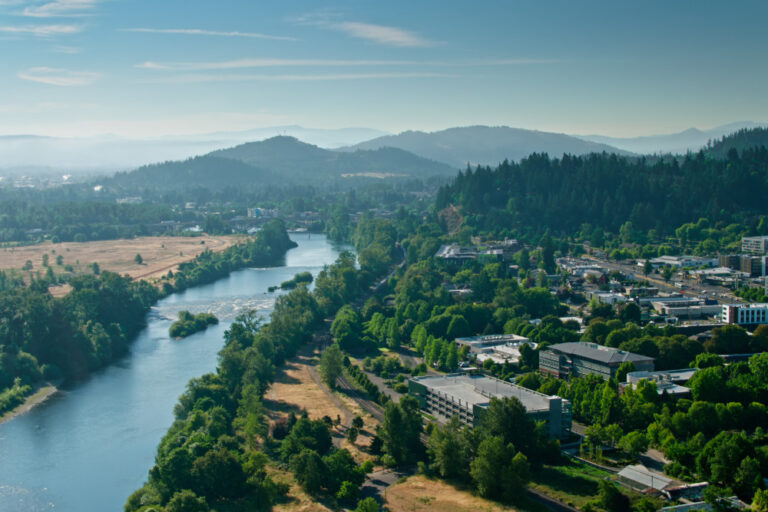
Hillsboro has become one of the economic anchors of the Portland metro thanks to the Silicon Forest tech corridor. Major employers like Intel and other tech companies continue to drive job growth in the area, which naturally brings housing demand along with it. The city has also invested heavily in new restaurants, parks, entertainment, and infrastructure over the past decade. Forest Grove sits just to the west and offers a slightly slower pace with more small-town charm, while still being close to Hillsboro jobs and the growing wine country scene. Buyers looking for a balance of affordability, career opportunities, and long-term growth often find this corridor appealing.
Two Areas Where Sellers Still Have Some Strength
While much of the market currently favors buyers, there are still a few areas where demand remains strong enough that sellers have some leverage.
Lake Oswego / West Linn

Lake Oswego and West Linn continue to hold their position as some of the most desirable areas in the Portland metro.
The average sale price in this area sits close to $960,000, and pending sales have climbed more than 40 percent recently. That increase in buyer activity at higher price points shows that demand in this part of the market remains solid.
These communities have long been popular because they offer a combination of strong schools, well maintained neighborhoods, and access to the Willamette River and nearby parks. Many homes sit on quiet streets with mature trees and established landscaping, which gives the area a polished, residential feel. At the same time, residents are still within a reasonable commute to downtown Portland and the tech corridor. Because inventory in this price range is often limited, homes that are priced well can still attract strong interest.
NE Portland

Northeast Portland is another area that continues to see steady demand.
Pending sales have increased more than 30 percent recently, signaling a meaningful rebound in buyer activity. Average sale prices are sitting around $529,000, which places this area directly in one of the most active price ranges in the metro.
NE Portland remains attractive because it offers the classic neighborhood feel many people associate with living in Portland. Tree-lined streets, historic Craftsman homes, and highly walkable areas create a strong sense of community. Districts like Alberta Arts and Mississippi Avenue have developed into hubs for restaurants, cafes, music venues, and local shops, giving residents plenty to explore within their own neighborhood. That lifestyle appeal continues to draw buyers who want an urban feel without being in the middle of downtown.
What This Means for the Portland Market
One of the biggest takeaways from the latest numbers is that Portland has become a collection of micro-markets rather than one single housing market.
Some areas are offering buyers opportunities to negotiate and find value. Other neighborhoods still have enough demand that sellers can move their homes without much difficulty.
Homes are currently averaging around 90 days on market across the metro. That gives buyers time to evaluate options carefully while also encouraging sellers to be realistic about pricing.
The Bottom Line
If you’re buying right now, there are real opportunities across the metro depending on the neighborhood and price range you’re targeting.
And if you’re selling, understanding how your specific area is performing is more important than ever. Some neighborhoods are moving quickly while others require more strategic pricing and marketing.
Every part of the Portland market behaves a little differently, and knowing those local trends can make a big difference when deciding when and where to buy or sell.