

I get it…You walk into a house and the kitchen looks like it belongs on HGTV. Quartz countertops, white shaker cabinets, fancy light fixtures, and a waterfall island that somehow makes you feel like you’re instantly more successful than you actually are.
Your brain starts decorating before you’ve even made it past the living room. Then six months later you’re calling an electrician because the lights dim every time you run the microwave. Oops!
One of the biggest mistakes I see buyers make in the Portland real estate market is falling in love with cosmetic updates while completely overlooking the expensive stuff hiding underneath them. Sellers know that fresh paint and trendy finishes photograph well. They know buyers get emotionally attached to beautiful kitchens and remodeled bathrooms. That’s why cosmetic renovations often happen long before anyone spends money replacing a 50-year-old electrical panel. But here’s the thing, a gorgeous kitchen doesn’t make the furnace any younger.
The House Is More Than Its Instagram Photos
Think of a home like dating. Sure, looks matter. We’d all prefer someone who showers regularly and doesn’t have ketchup stains on their shirt. But eventually you’re going to care a lot more about what’s under the hood.
Homes work the same way.
That beautiful backsplash isn’t going to keep you warm when the furnace decides it’s had enough halfway through a Portland winter. That trendy bathroom isn’t paying the bill when the sewer line collapses. Those new cabinets won’t magically replace an electrical system that was installed when people thought three outlets in an entire bedroom was plenty.
Things I Always Tell Buyers to Look At
You don’t need to become a home inspector during a showing, but there are a few things worth paying attention to before you get emotionally attached.
Electrical Panel
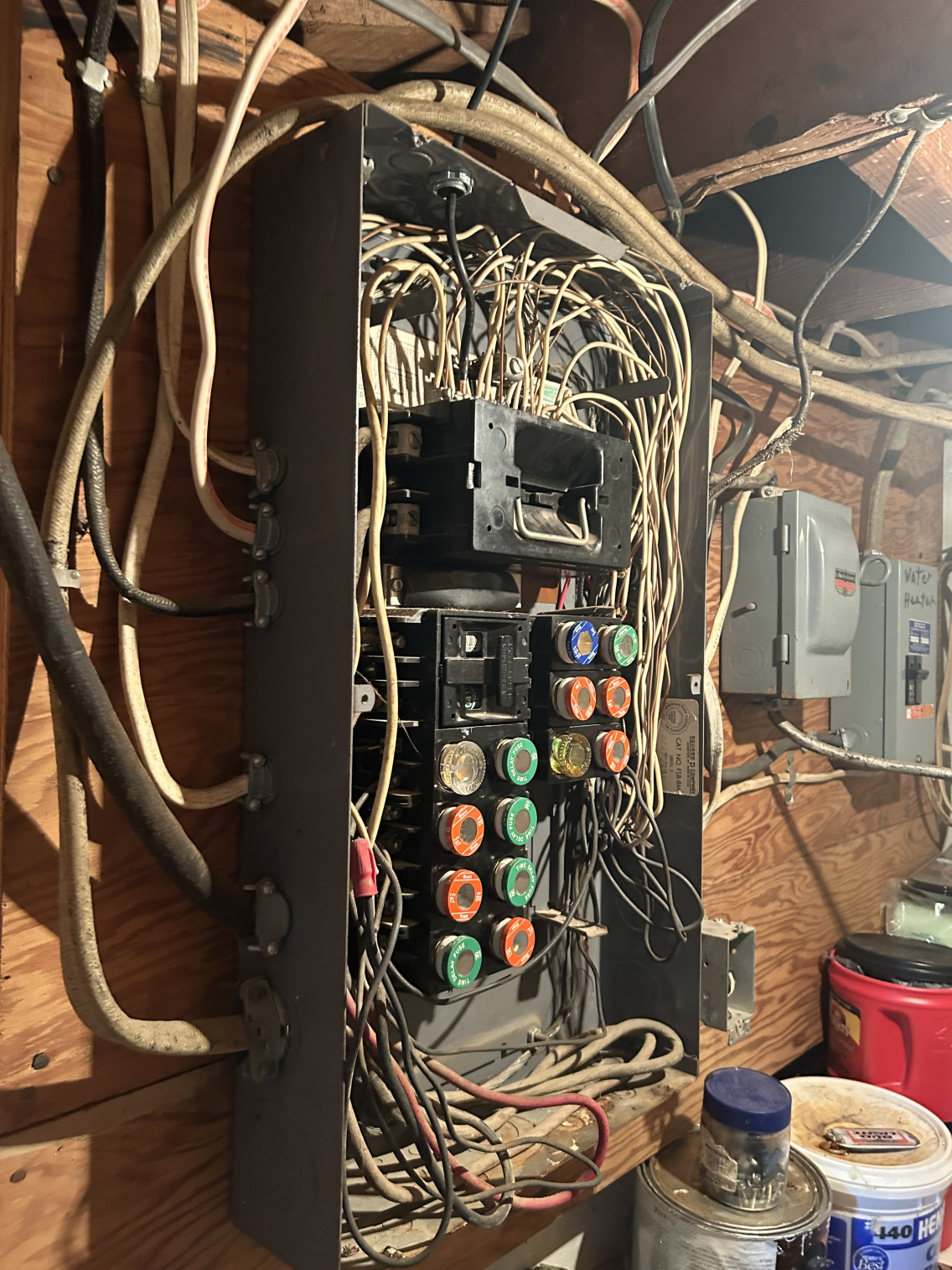
Take a quick peek, does it look modern? Does it still have fuses instead of breakers?
Are there recalls on the panel brand? (Some older brands have earned some pretty terrible reputations.)
An outdated electrical system doesn’t automatically mean “run away,” but it absolutely deserves a closer look.
Water Heater
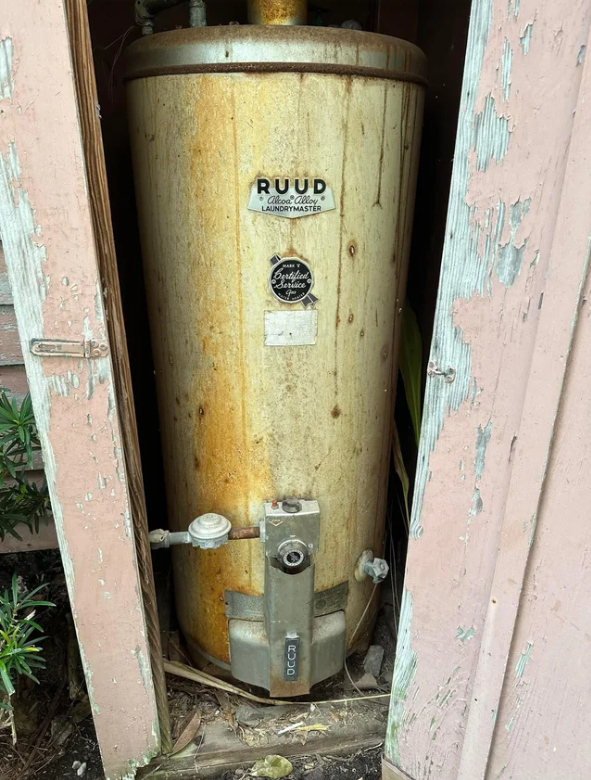
Look for the manufacture date. If it’s older than 10-15 years, start planning for replacement. Some last longer, but buying a house with an ancient water heater is kind of like adopting an elderly Labrador. You know what’s coming eventually. If the water heater is as old as I am…well…mind your own business.
Furnace and Air Conditioning
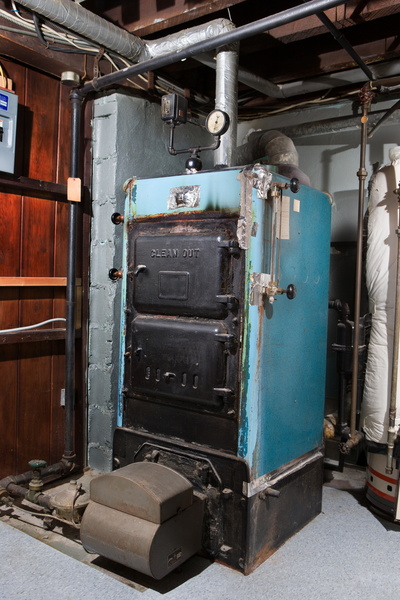
Ask how old they are. Heating and cooling systems are some of the biggest replacement expenses homeowners face. A perfectly functioning furnace that’s 22 years old isn’t necessarily a deal breaker, but it should absolutely factor into your budget and negotiations.
Roof
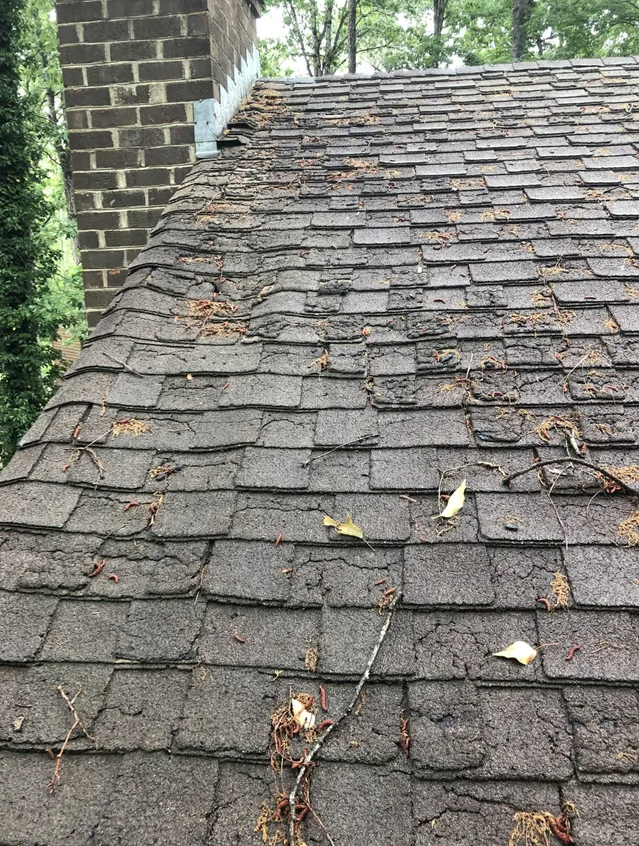
You don’t have to climb up there, just look… Missing shingles, curling edges, moss that’s beginning to resemble a national forest, or obvious patches can all be signs that it’s nearing the end of its life.
Here in the Portland area, roofs take a beating from months of rain, wind, and plenty of moss trying to establish permanent residency.
Windows
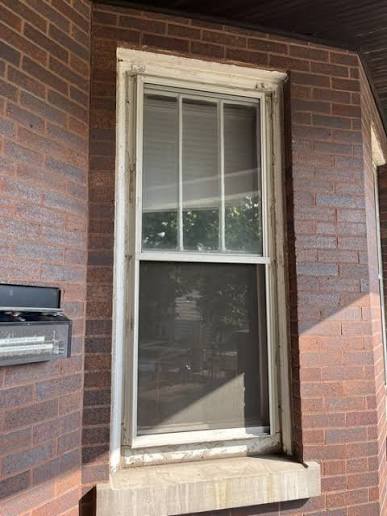
New windows are expensive.
Check for broken seals, fog between the panes, drafts, or windows that barely open. Replacement costs can add up quickly, especially on larger homes.
Plumbing
Turn on faucets and lush toilets.
Run the shower.
You’re buying the place. You have permission to see if the plumbing actually works.
Then Comes the Home Inspection
Here’s where your home inspector earns every penny. A quality home inspection can uncover issues that most buyers would never notice during a 20-minute walkthrough.
They’ll inspect the attic, crawlspace, foundation, roof, electrical systems, plumbing, HVAC, insulation, ventilation, moisture concerns, and dozens of other items most people don’t even think about.
I’ve seen inspections uncover:
- Active leaks hidden behind finished walls.
- Unsafe electrical wiring.
- HVAC systems on borrowed time.
- Foundation movement.
- Roof problems.
- Plumbing leaks.
- Water intrusion.
- DIY repairs that should’ve remained a YouTube tutorial instead.
The inspection isn’t there to scare you away from buying a home. It’s there so you know exactly what you’re buying.
Not Every Problem Is a Deal Breaker
This is where experience matters. Every home has issues, seriously.
Even brand-new construction has punch lists and warranty items. The goal isn’t to find a perfect house because that house doesn’t exist. The goal is to understand the condition of the home, estimate future maintenance costs, and negotiate appropriately. Maybe the seller replaces the water heater, maybe they credit you toward a new roof, maybe the purchase price changes. Or maybe you decide the home is still worth it because everything else checks out.
Knowledge gives you options.
Buy With Your Brain First
I love a beautiful kitchen as much as anyone. I’m also a sucker for a covered back patio because…well…this is Portland. If I’m getting rained on while grilling burgers in July, somebody made poor life choices. But I’ve learned that pretty finishes don’t tell the whole story.
The expensive parts of homeownership usually aren’t visible in the listing photos. That’s why having a knowledgeable Realtor, a great home inspector, and a healthy amount of curiosity can save you thousands of dollars long after closing day.
So the next time you’re touring homes, admire the quartz countertops. I’ll go find the electrical panel and we’ll talk about it.