

Alright, let’s not sugarcoat this.
Home inspectors are paid to find problems. Not a couple things. A LOT of things. You’re going to open that report and think, “What the hell did I just get myself into? Is this house about to collapse the second I move in?”
Relax.
If you don’t know what to expect, inspections can feel overwhelming as hell. But most of what shows up is fixable, manageable, and honestly just part of owning a home in Portland. Even brand new construction homes have issues, so for the love of God inspect those too!
This isn’t about finding a perfect house. It’s about figuring out what’s going on and making smart moves.
Why Portland Homes Always Have “Stuff”
Short version? Moisture.
Long version? Months of rain, older homes, and soil that likes to do its own thing. That combo = a pretty predictable list of issues.
So when your report comes back loaded… it’s not because you found “the worst house ever.” It’s because you bought a house in the Pacific Northwest.
Moisture, Rot, and Mold (The Portland Special)
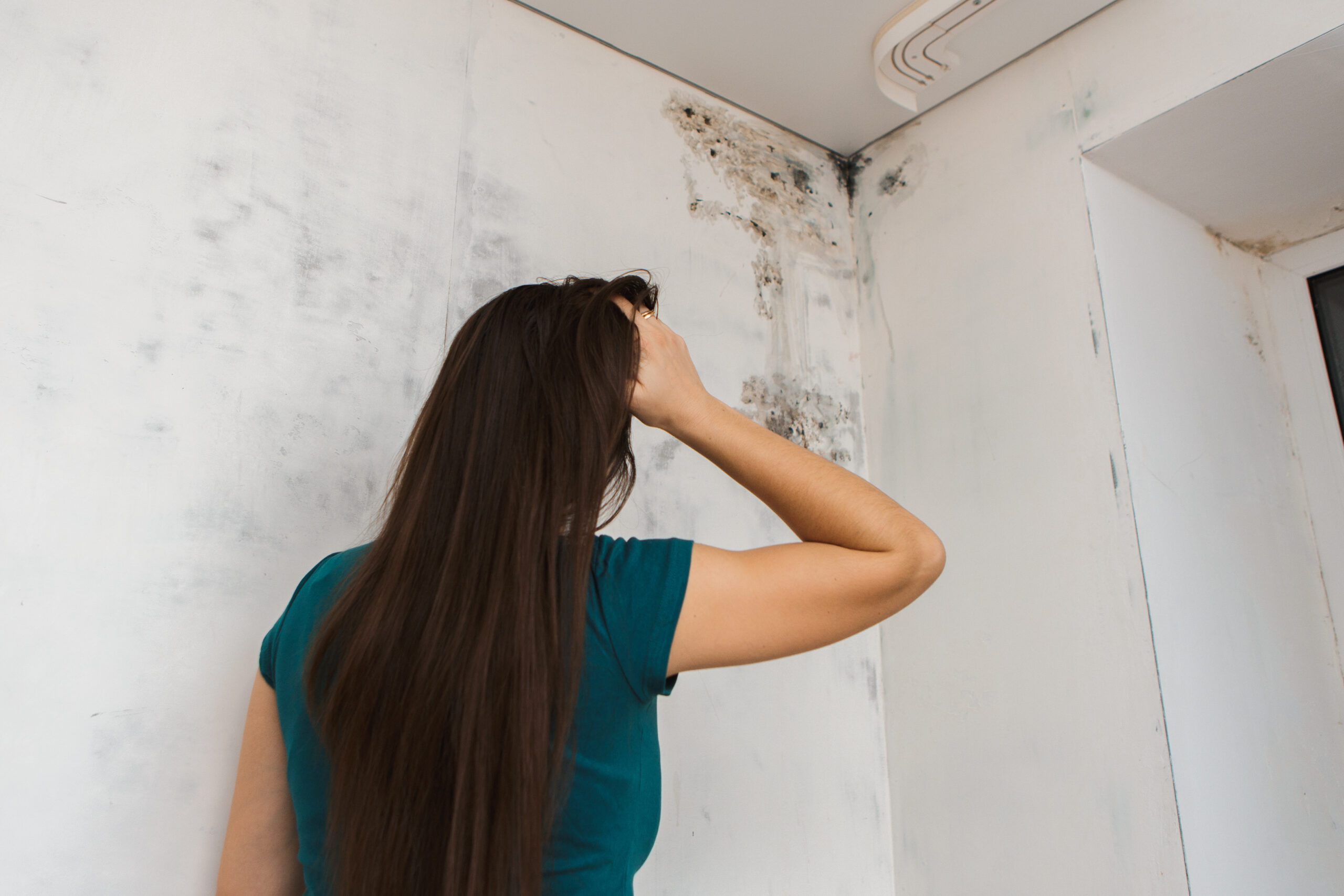
This is the main character.
If water can get in, it will. And then it’ll just sit there like a freeloader causing problems.
What shows up:
- Rot around windows, siding, trim
- Mold in crawl spaces or attics
- Signs of past or current moisture issues
Why it happens:
- It rains here… a lot
- Older homes weren’t built like newer ones
- Maintenance gets skipped
What we do about it:
- Replace the jacked-up wood
- Improve ventilation
- Add vapor barriers
Sounds scary. Usually isn’t. It’s more “how much is this gonna cost” than “run for your life.”
Roof Issues (Because Rain Never Takes a Day Off)
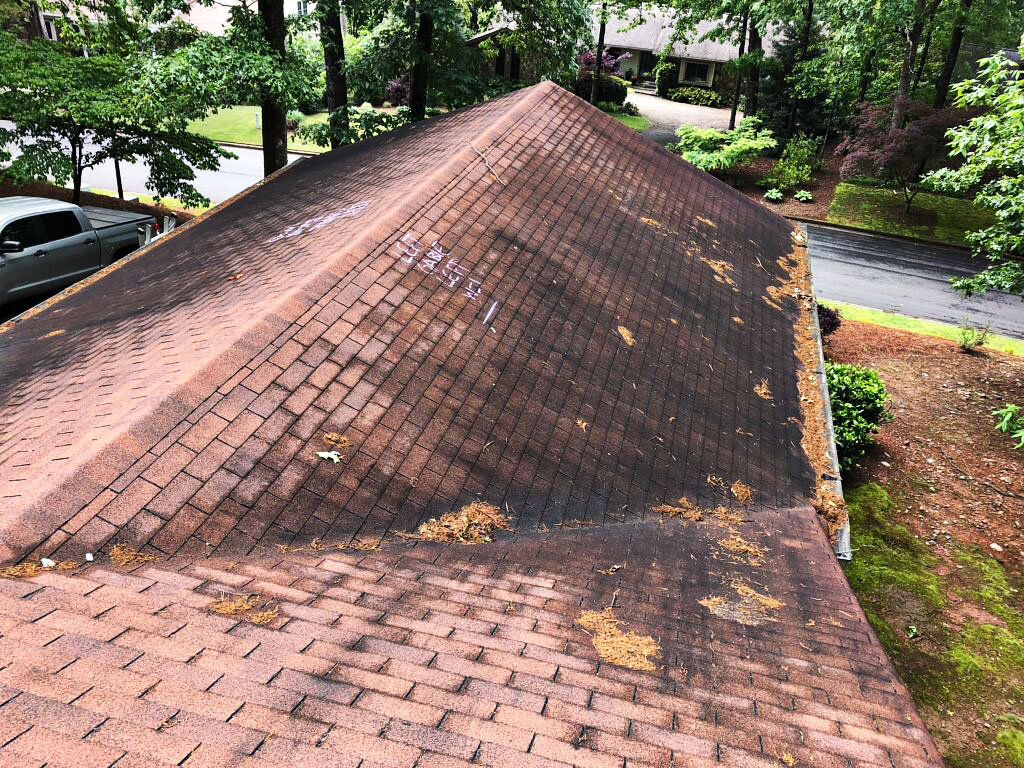
Your roof is out here fighting for its life 9 months out of the year.
What shows up:
- Old shingles
- Moss taking over like it pays rent
- Minor leaks
Why it happens:
- Rain + debris + time = problems
- Moss traps moisture and slowly wrecks things
What we do about it:
- Clean it
- Treat it
- Replace it when it’s time
Yeah, it can be expensive. No, it’s not uncommon. Keep up on it after you buy it and you’ll be less likely to have to replace it when the future buyer inspects it.
Drainage and Foundation Stuff
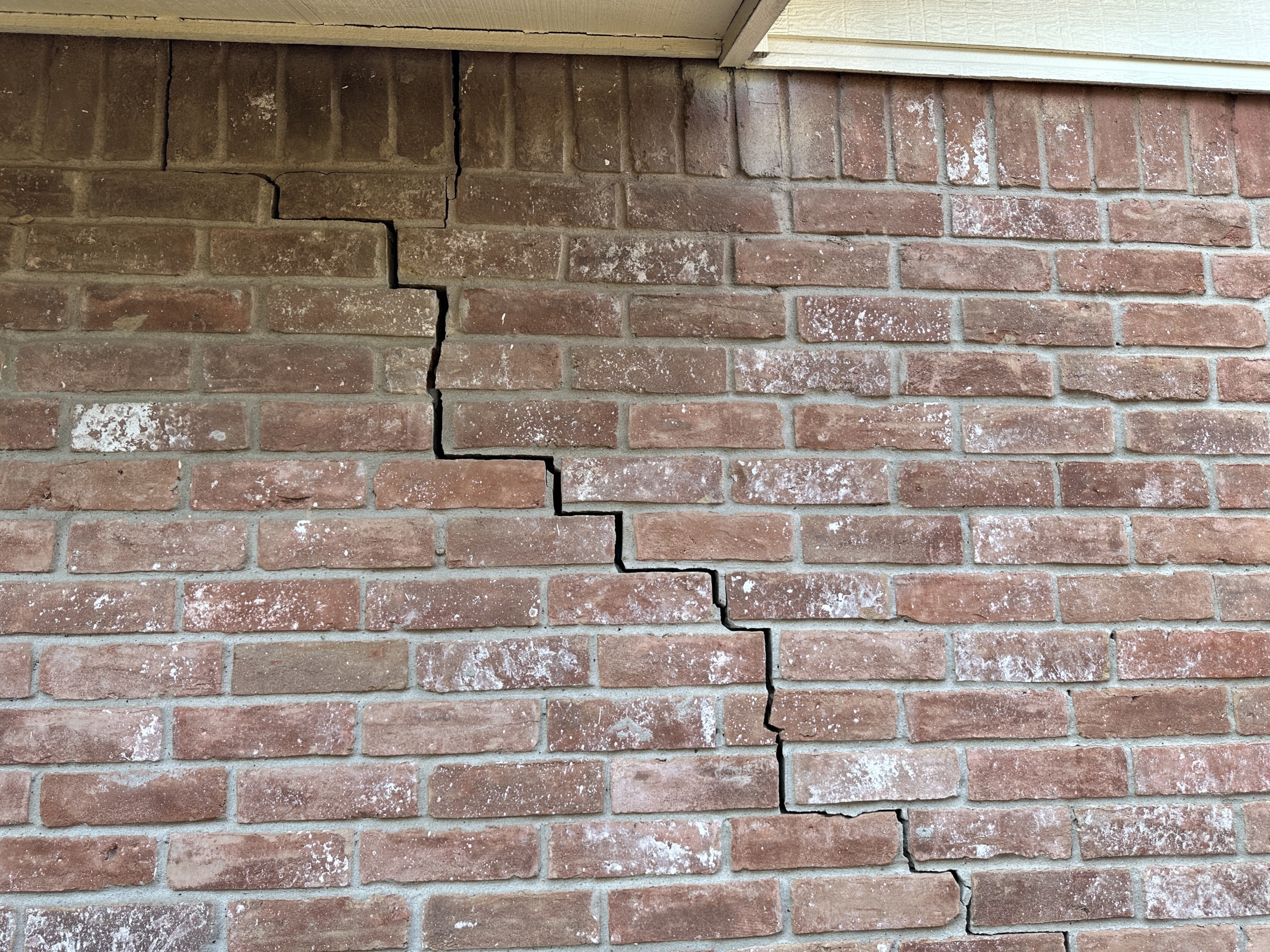
Water doesn’t just disappear. If it hangs out near the house, weird sh*t starts happening.
What shows up:
- Water pooling near the foundation
- Small cracks
- Floors that feel a little… funky
Why it happens:
- Bad drainage
- Gutters doing absolutely nothing
- Soil shifting around
What we do about it:
- Fix grading
- Extend downspouts
- Add drainage systems
Not every crack means your house is doomed. Let’s not panic.
Old Electrical (Hello, Knob-and-Tube)
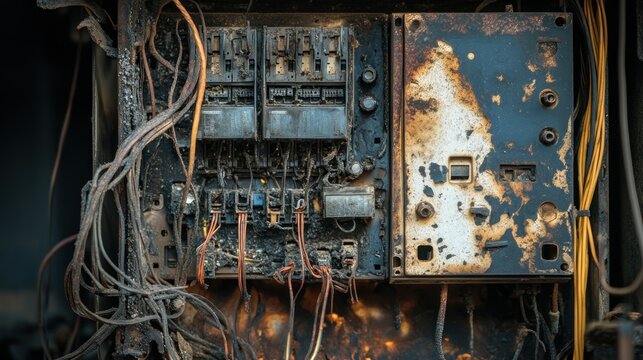
If the house has some age, the wiring probably does too.
What shows up:
- Knob-and-tube wiring
- Ungrounded outlets
- Panels that are hanging on for dear life
Why it happens:
- Different era, different standards
- Half-ass updates over time by some “handy” homeowner
What we do about it:
- Upgrade panels
- Rewire where needed
This one matters more than some of the others because it can mess with insurance and financing. Still fixable, just needs attention.
Termites and Other Uninvited Guests

Yeah, we’ve got those too.
What shows up:
- Wood damage
- Evidence of past infestations
Why it happens:
- Moist wood = open invitation
What we do about it:
- Treat it
- Replace damaged areas
- Fix the moisture issue
Not ideal. Also not rare.
Radon (Trust Me, Test It!)
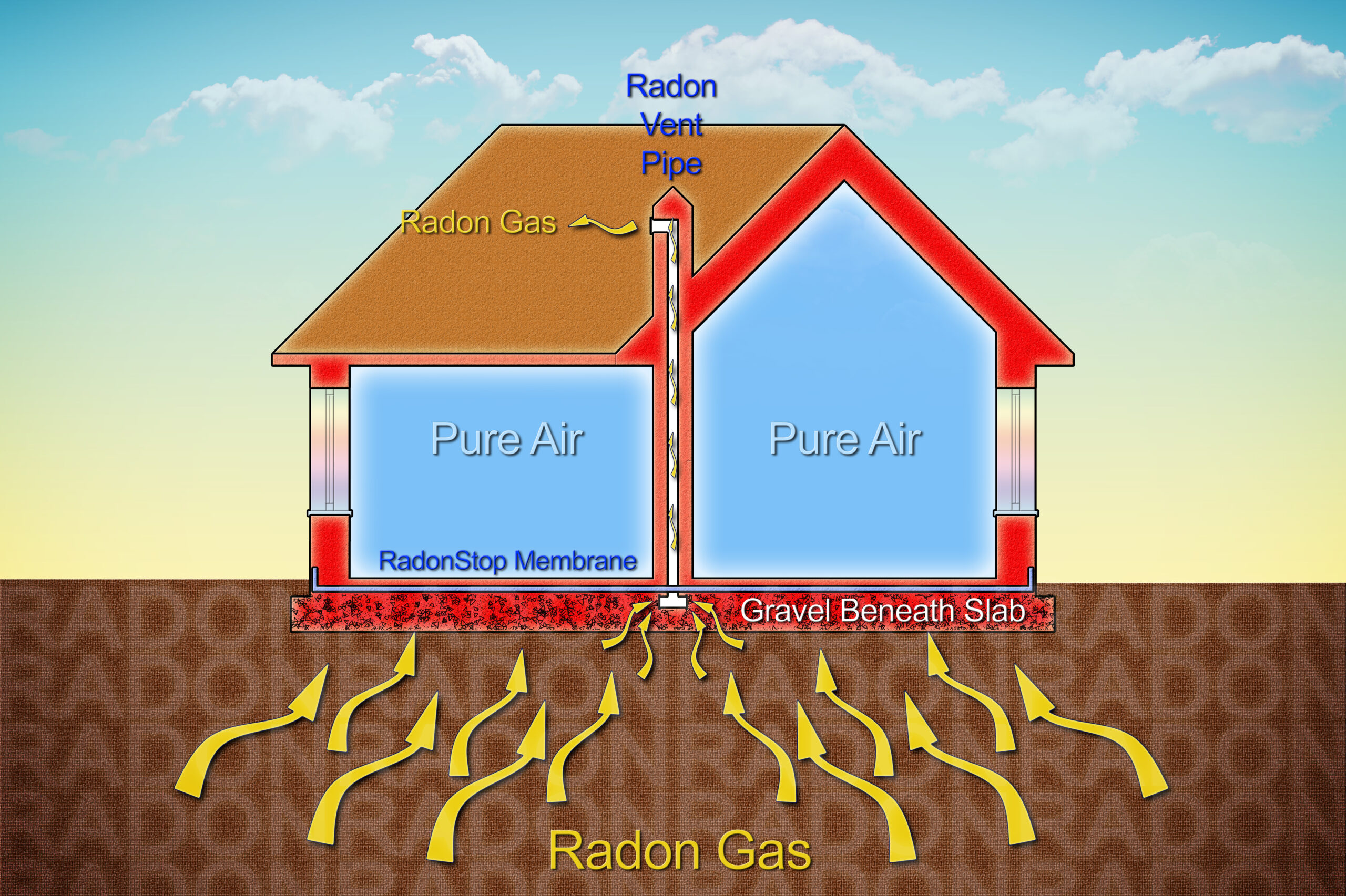
This one’s invisible, odorless, and easy to ignore… which is exactly why people screw this up. However long-term exposure can cause lung cancer and other stuff you don’t want.
Radon is super common in the Portland area, and it’s a separate test from your general inspection. So be sure to ask for it specifically.
If it’s high:
- You install a mitigation system
- Which vents the gas out
Done. Not that complicated. But you gotta test for it.
Alright… So What the Hell Do We Do With All This?
Here’s the part people miss.
Just because something is messed up does NOT mean the deal is dead.
In today’s market, sellers know buyers have options. They’re way more willing to work with you than back when people were waiving inspections like absolute maniacs.
So let’s talk strategy.
How We Actually Handle This Sh*t
1. Have the seller fix it
We ask them to handle repairs before closing.
And no, they can’t just call their buddy Dave who “used to do construction.”
The contract requires:
- Licensed contractors
- Legit repairs
- Documentation
Electricians do electrical. Plumbers do plumbing. No shortcuts.
2. Get a price reduction
Skip the repairs and just pay less.
You take on the work, but you’re not overpaying for a house with issues.
3. Ask for a credit
We get the seller to credit you money toward closing costs.
That means:
- Less cash out of pocket
- More money in your bank after closing
Now you can:
- Hire whoever you want
- Fix it your way
- Or chill for a bit and deal with it later (less than ideal but no judgements)
4. Bring in contractors and get real numbers
Before we negotiate, we’ll get bids.
Now we’re not guessing, we’re saying:
“Hey, this isn’t some mystery issue. It’s a $16K problem. Let’s adjust accordingly.”
That’s how you stop getting screwed in negotiations.
The Bottom Line
Inspection reports in Portland will look like a disaster.
They’re supposed to.
That doesn’t mean the house is trash. It means the inspector did their job and found a bunch of sh*t.
Most of it is fixable. A lot of it is negotiable. And none of it should send you into a full-blown panic spiral.
Need Help Navigating This Without Losing Your Mind?
If you’re buying around Portland and don’t want to freak out every time you read the word “moisture intrusion,” I’ve got you.
I’ll help you figure out what matters, what doesn’t, and how to turn that scary report into leverage.
Because at the end of the day, this is all part of the process of owning a home!